
Window styles and glazing options, explained
Double or triple glazed? Bay or flat? Leaded or plain? Here's what each option actually does, and when it's worth paying for.
- Straight answers on where the money is well spent
- Options for period, listed and conservation properties
- Every choice available across uPVC, timber and aluminium
East Grinstead showroom · covering Sussex, Surrey and Kent
10/10 on Checkatrade
From 149 verified customer reviews
Certass registered
Fully insured and SafeContractor approved
10 year guarantee
On every product we supply and install
Family run since 2007
Our own fitters — never subcontracted out
Double glazing
Double glazing: the baseline for every window we fit
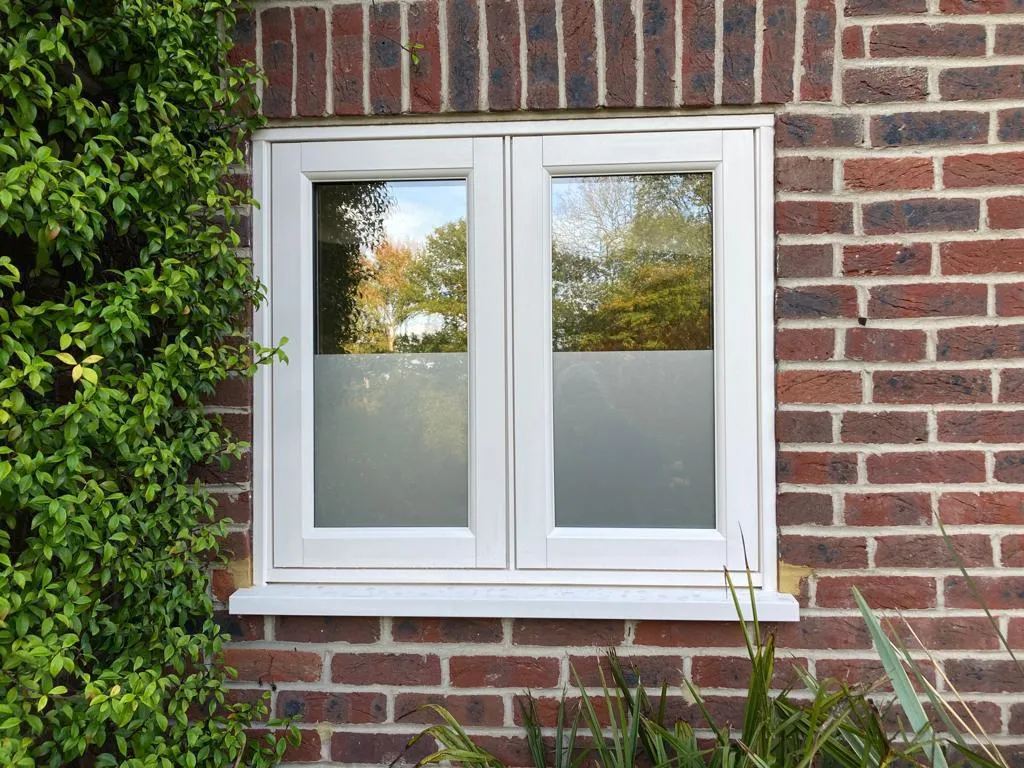
Two panes bonded either side of a spacer bar, with the gap sealed to keep moisture out. That trapped layer is what slows heat escaping.
“Double glazing” describes the sealed unit — the glass. The frame around it is a separate component doing a separate job, and a cheap frame undoes a good unit. That’s why we quote on the whole window.
Replacing single glazing, or units that have misted because the seal has failed, is where the biggest gain is: rooms warm faster, condensation on the glass largely goes, and outside noise drops noticeably.
- Standard across our uPVC, timber and aluminium ranges
- Obscure, Georgian, leaded and diamond leaded options
- Misted units can often be replaced without a new frame
- Covered by our 10 year guarantee
Triple glazing
Triple glazing: when a third pane earns its keep
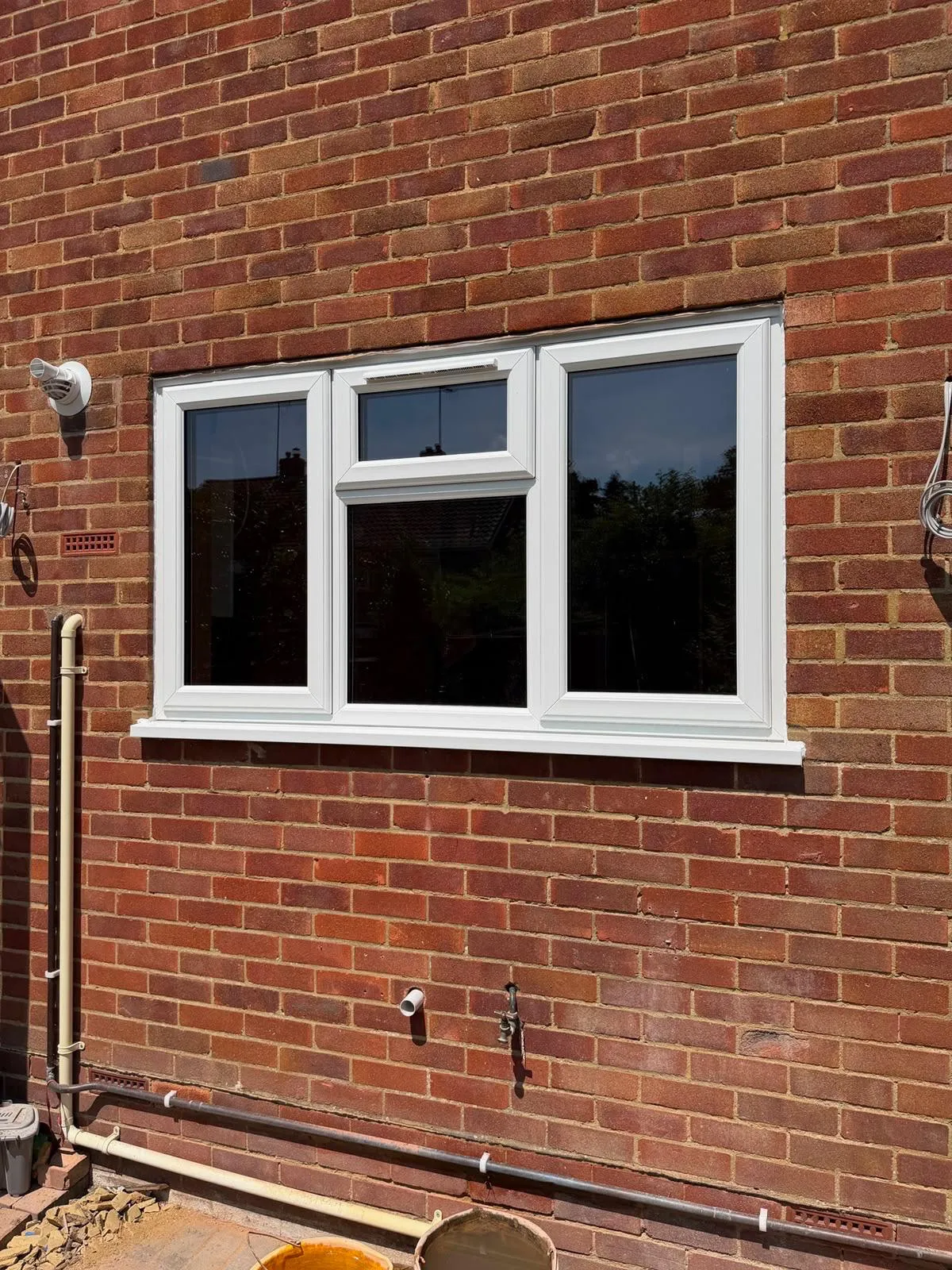
A third pane and a second sealed cavity. Better thermally and acoustically — but not automatically right for every window in the house.
It helps where a room is fighting the weather or the traffic: a north-facing elevation, a room over a garage, a bedroom on a main road.
On a sheltered rear elevation the gain over good double glazing is modest and the extra cost is real. The units are heavier too, which can matter on very large sashes.
So we usually suggest specifying it selectively, and we’ll tell you where we think it pays.
- Best on exposed, north-facing or roadside elevations
- Noticeably better on noise than standard double glazing
- Heavier units — worth checking against very large sashes
- Often best specified room by room, not house-wide
Compare
Double or triple glazing?
A general guide. The right answer depends on the room, the aspect and what is going on outside the window.
| Feature | Double glazing | Triple glazing |
|---|---|---|
| Panes and cavities | Two panes, one sealed cavity | Three panes, two sealed cavities |
| Typical whole-window U-value | Around 1.4 W/m²K on a modern A-rated window | Around 0.8–1.0 W/m²K |
| Best suited to | Almost every replacement window — the sensible default | Exposed elevations, roadside rooms and very well-insulated homes |
| Noise reduction | A significant improvement on single glazing | Better again, though differing pane thicknesses matter more than pane count |
| Unit weight | Standard hardware handles it comfortably | Heavier, so frames and hinges have to suit |
| Relative cost | The baseline | A premium, with a longer payback |
U-values are typical industry indications for a whole window, shown to illustrate the difference between the two. The figures for your windows depend on the frame, glass and unit specified, and we’ll confirm them with your quote.
Bay windows
Bay windows: more light, more floor, more work
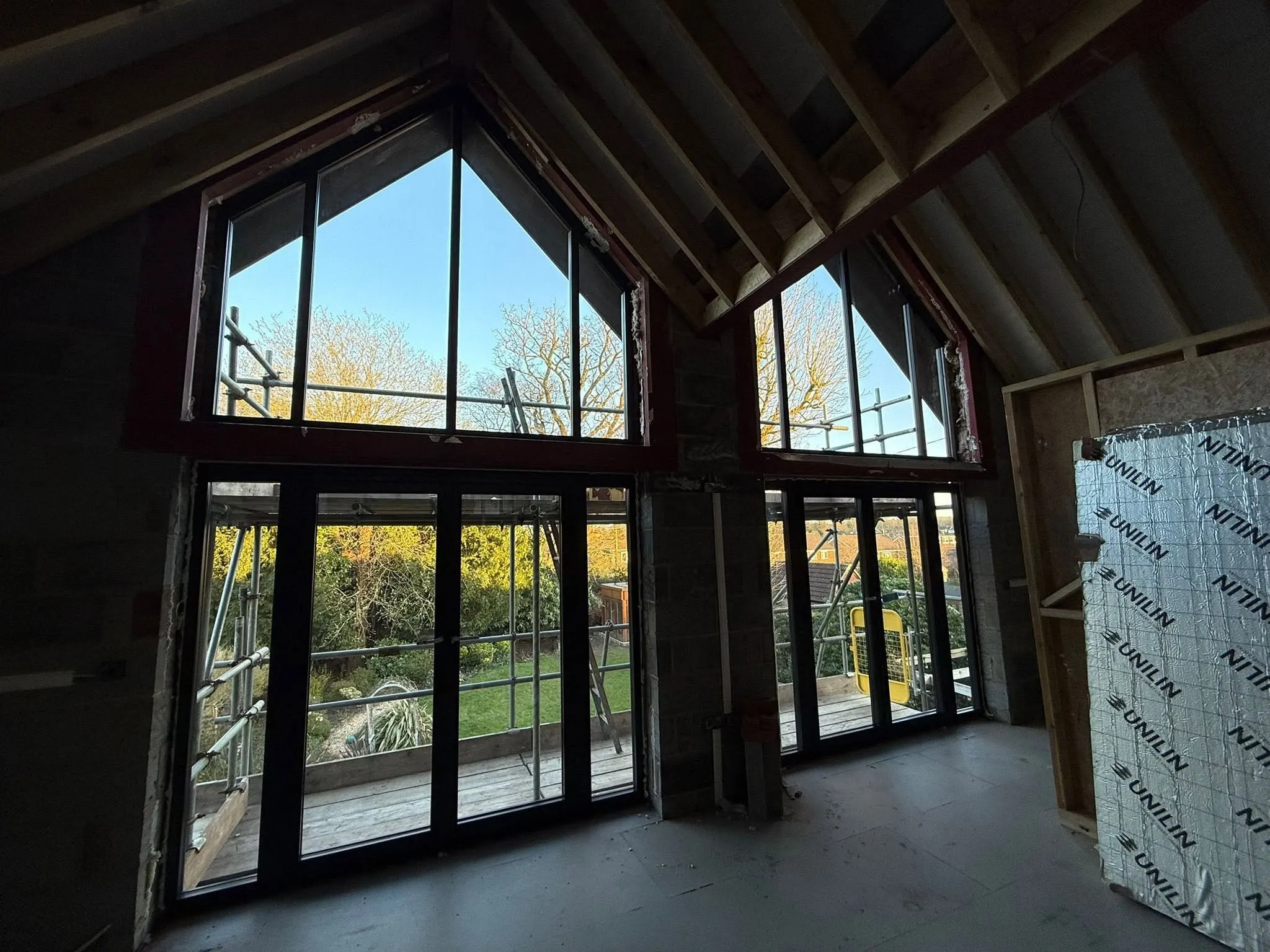
A bay projects out from the elevation, adding usable space inside and pulling light in from three directions rather than one.
Replacing one is a bigger job than a flat window, because the bay often carries load from above. The structure has to be supported while the old frames come out, and the new bay needs a proper structural head — exactly what gets skipped by installers working to a price.
Often the roof, sills or rooftrim above have failed too. We handle roofing, soffits and fascias, so it can all be put right in one visit.
- Square, splayed and curved bays
- Structural support designed and installed properly
- Bay roofs, sills and rooftrim renewed at the same time if needed
- Leaded and Georgian options to match a period elevation
Cottage windows
Cottage windows: small panes, old proportions
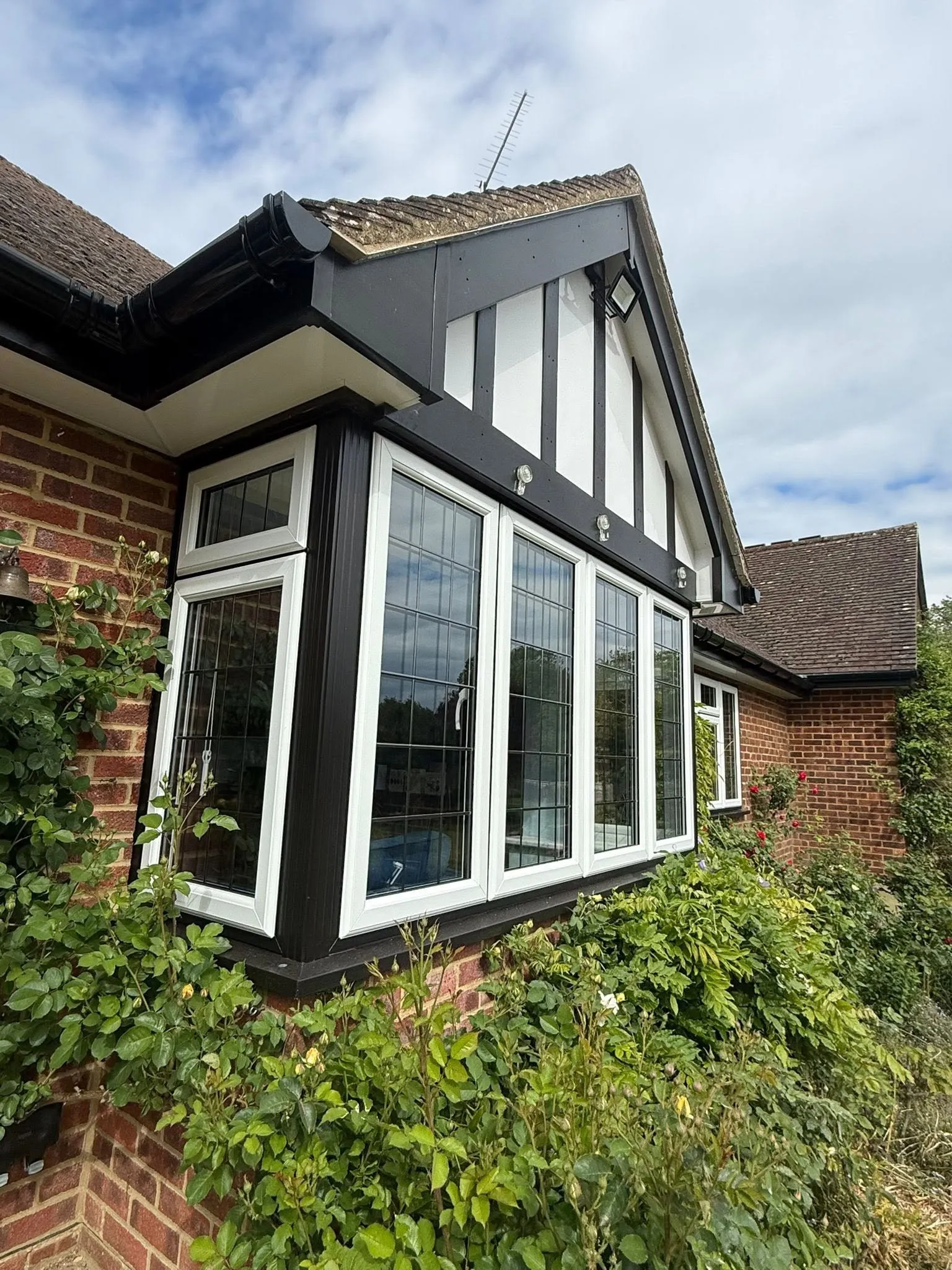
Georgian bars, leaded lights and flush profiles that suit a house built long before sealed units existed.
The instinct on an older property is to keep the glass as open as possible. In practice the divisions are what make the elevation work — a cottage window without its bars looks blank from the road.
You can have the look without the drawbacks: Georgian bars within the sealed unit or bonded to the surface, leaded designs in traditional and diamond patterns, and a flush casement to give it the flat face that makes it convincing.
- Georgian bars, leaded and diamond leaded designs
- Flush casement profiles for a traditional flat face
- Cream, Chartwell green and heritage colour finishes
- Available in timber for listed and conservation work

Secondary glazing
Secondary glazing: when the original windows have to stay
A slim second window fitted inside the existing one. Not a sealed unit — a separate pane with a wide air gap behind it.
On a listed building, or where replacement has been refused, it’s often the only route to a warmer, quieter room. It sits inside the reveal, so nothing changes from the street.
It’s particularly good on noise — the wide gap does more for sound than the narrow cavity in a sealed unit.
It also stops draughts through old sashes without touching the original joinery, usually what the conservation officer cares about most.
- No change to the external appearance of the building
- Very effective against traffic and aircraft noise
- Reduces draughts without altering original windows
- Hinged, sliding and lift-out panels to suit access
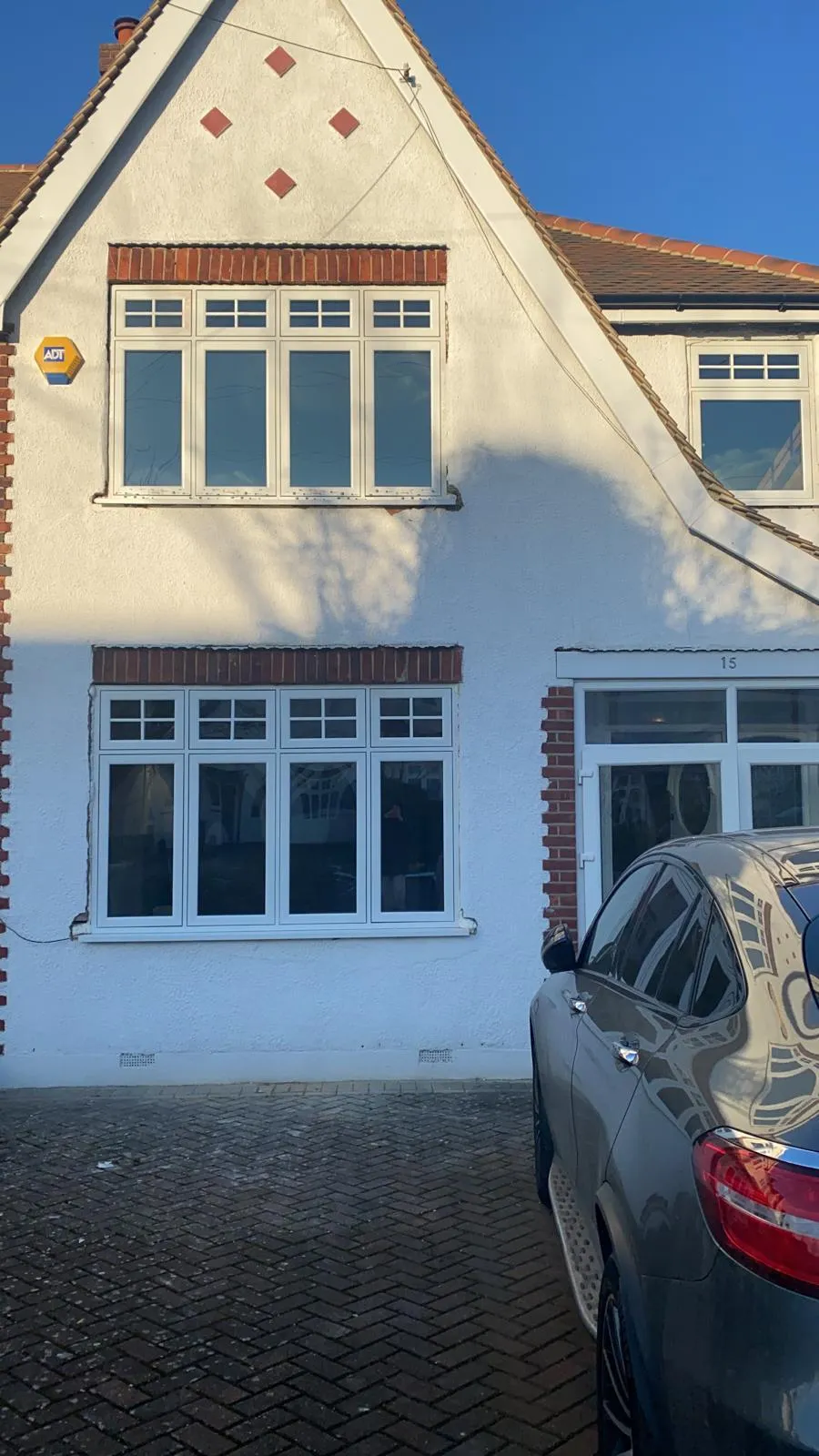
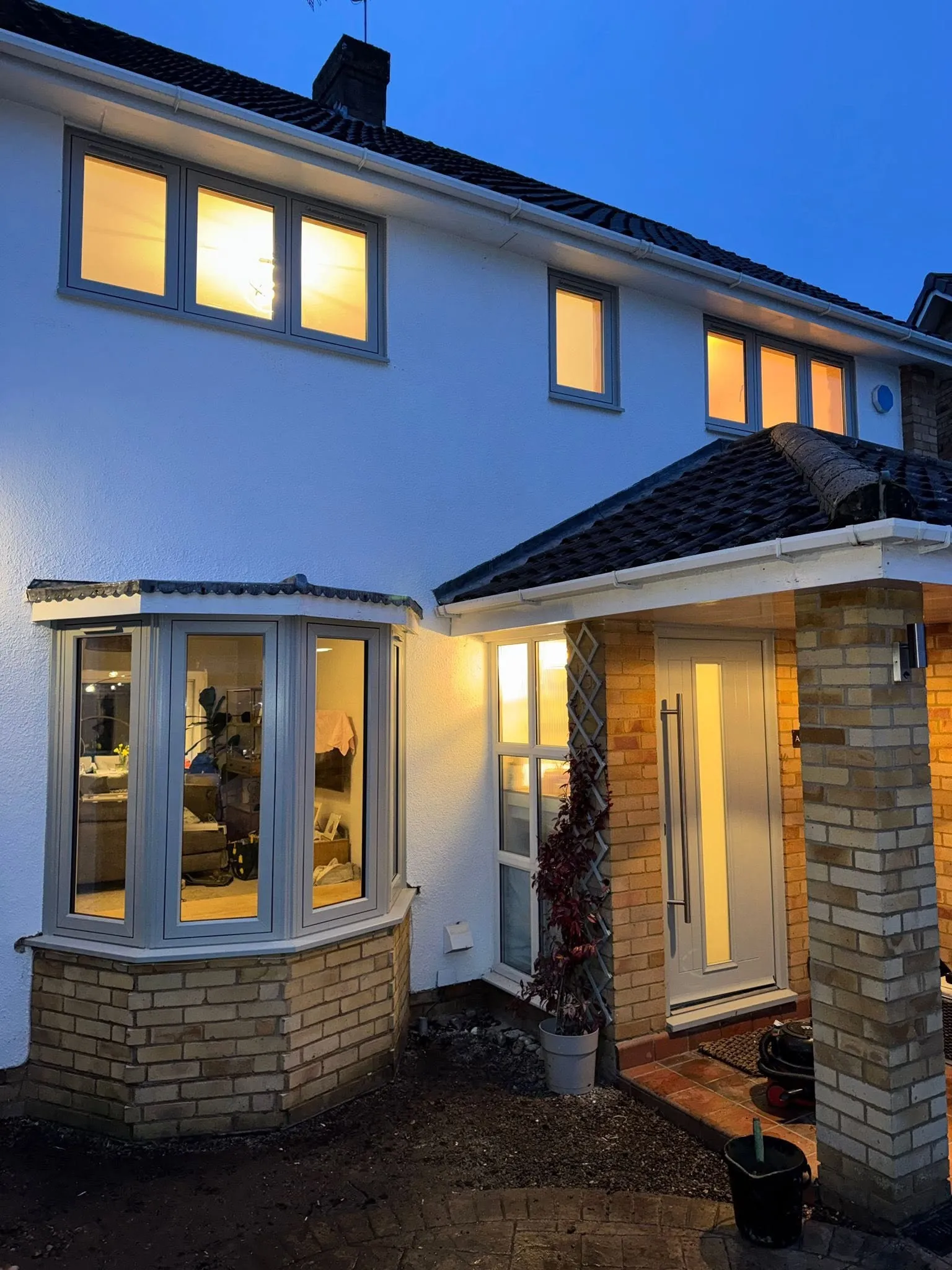
Frame styles
Now pick how it opens
Every glazing option above works with each of these frame types.
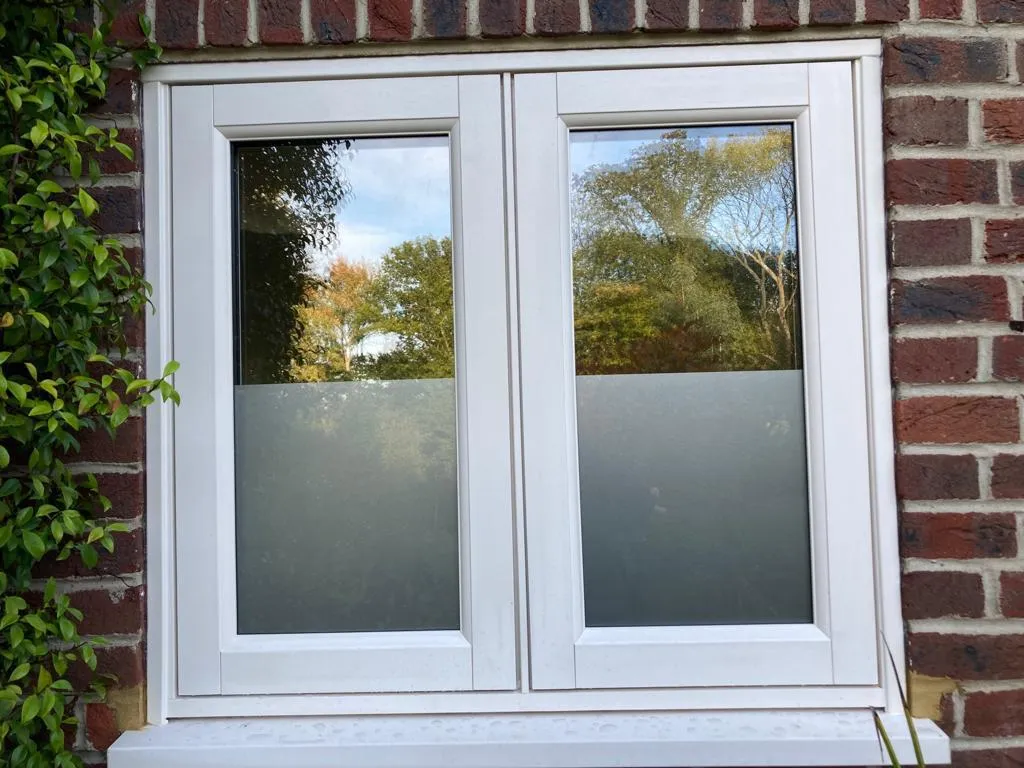
Casement Windows
The most common style in the UK — hinged at the side or top, opening outwards on a lever. Simple, secure and suited to almost any property.
Explore casement windows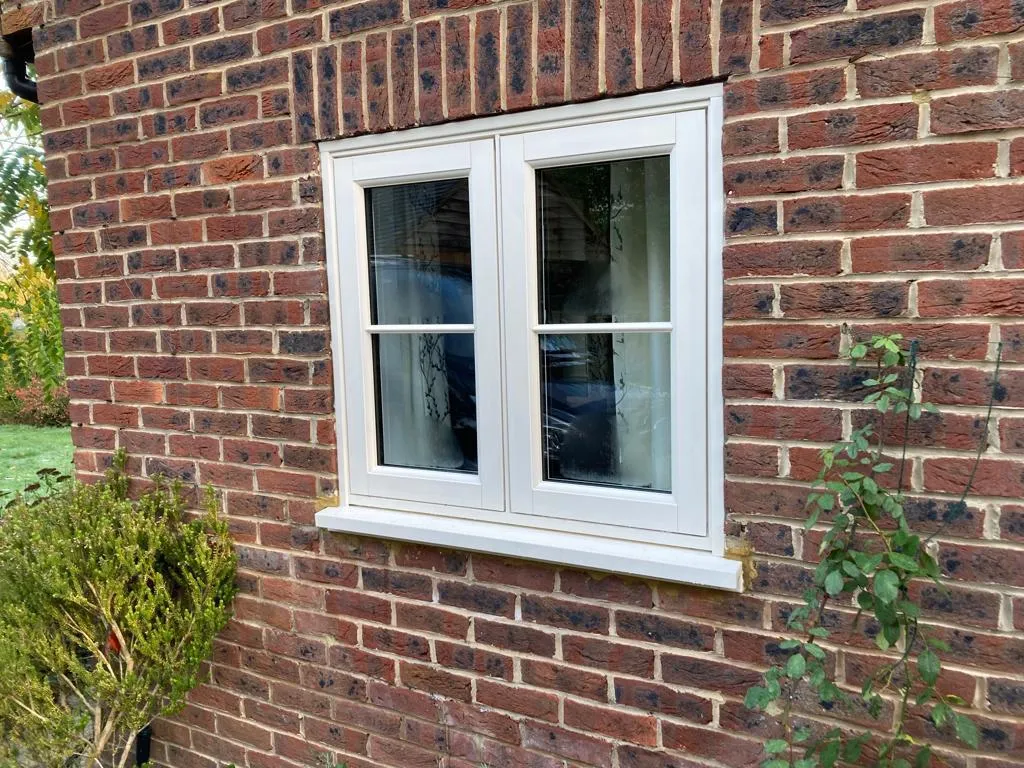
Flush Casement Windows
The sash sits level with the frame rather than proud of it, giving the clean lines of a traditional timber window with modern performance.
Explore flush casements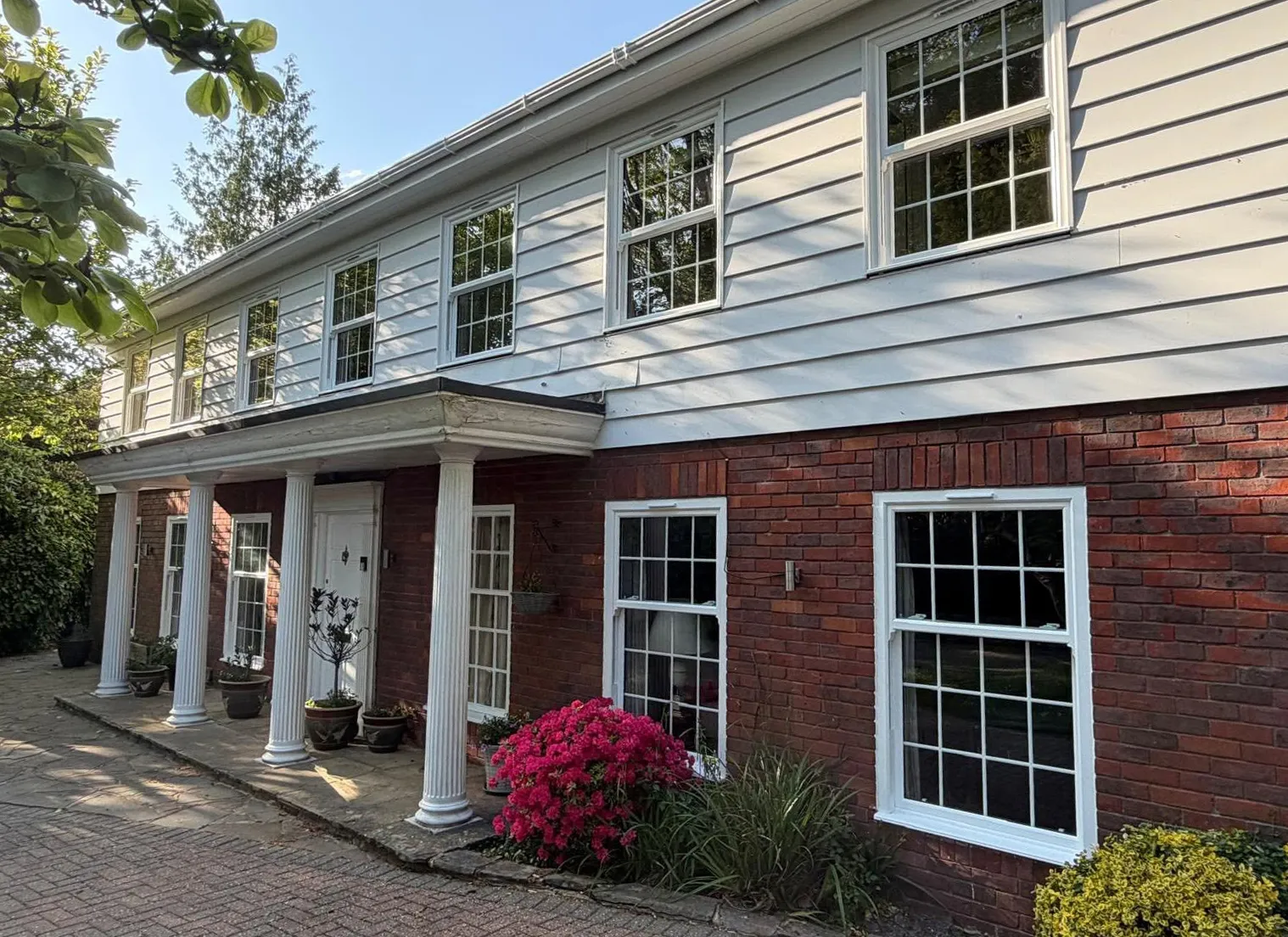
Sash Windows
Vertically sliding sashes that keep the proportions of a period home, with modern balances, draught seals and locking built in.
Explore sash windows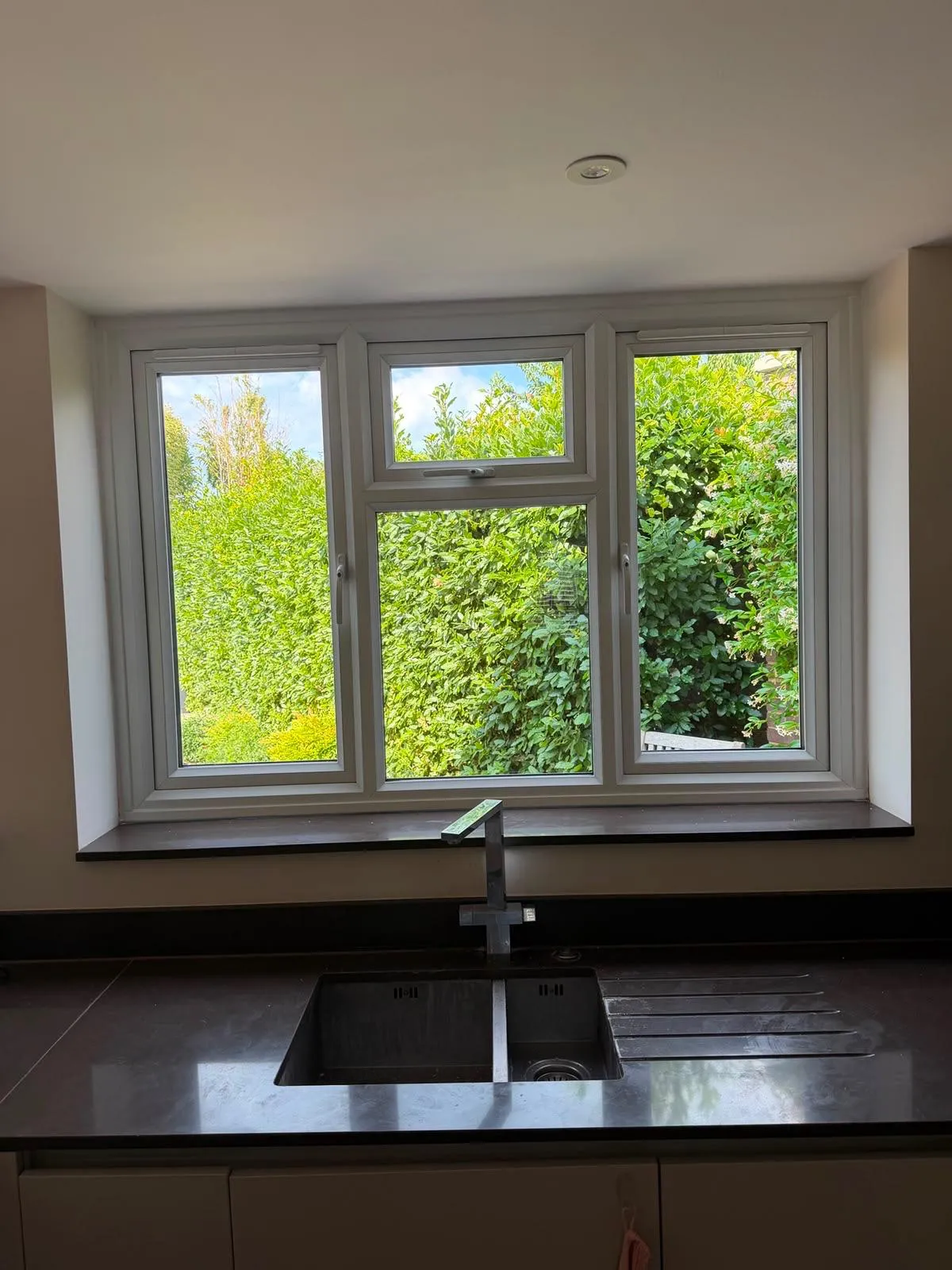
Tilt & Turn Windows
Two openings from one handle — tilt inwards for secure background ventilation, or turn fully for cleaning and escape.
Explore tilt & turnBuying online? Our shop is on its way
Replacement sealed units and made-to-measure glazing will be available through our online store. Until then, send us your sizes and we’ll quote it.
Is triple glazing worth the extra money?
What is obscure or privacy glass?
What are Georgian bars and leaded lights?
Can you replace just the glass and keep my frames?
Does secondary glazing count as double glazing?
Where we work
Double and triple glazing in East Grinstead and across Sussex, Surrey and Kent
We’re based on Station Road in East Grinstead, where West Sussex meets Surrey and Kent, and our own team works throughout all three counties.
Towns we cover include
- East Grinstead
- Crawley
- Horley
- Haywards Heath
- Burgess Hill
- Horsham
- Crowborough
- Tunbridge Wells
- Tonbridge
- Sevenoaks
- Redhill
- Reigate
- Caterham
…and the villages in between. If you’re in Sussex, Surrey and Kent, the answer is almost certainly yes.
Free quotations
Not sure which option you need?
Book a free survey and we’ll go through it room by room — including where we think you shouldn’t spend the extra.