
Flush casement windows: the traditional look, done properly
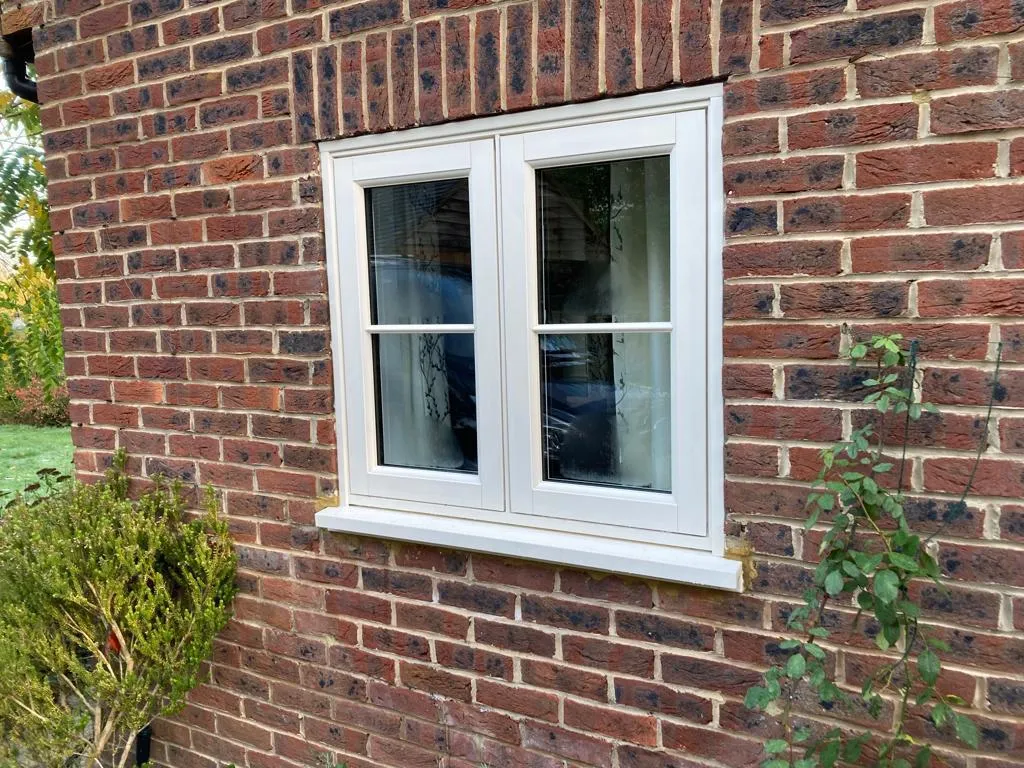
The sash closes level with the frame rather than standing proud of it — the detail that makes a modern window read as period joinery.
- Flat face and crisp shadow lines, like a timber window
- Georgian bar, leaded and diamond leaded options
- Modern sealed units, seals and multi-point locking
East Grinstead showroom · covering Sussex, Surrey and Kent
10/10 on Checkatrade
From 149 verified customer reviews
Certass registered
Fully insured and SafeContractor approved
10 year guarantee
On every product we supply and install
Family run since 2007
Our own fitters — never subcontracted out
The difference
One detail, and you can see it from the pavement
It sounds like a small thing. In practice it’s the main reason a replacement window looks right on an older house — or doesn’t.
On a traditional timber casement the sash sits inside the frame and finishes flush with it. That flat plane catches light evenly and throws one clean shadow line around the opening.
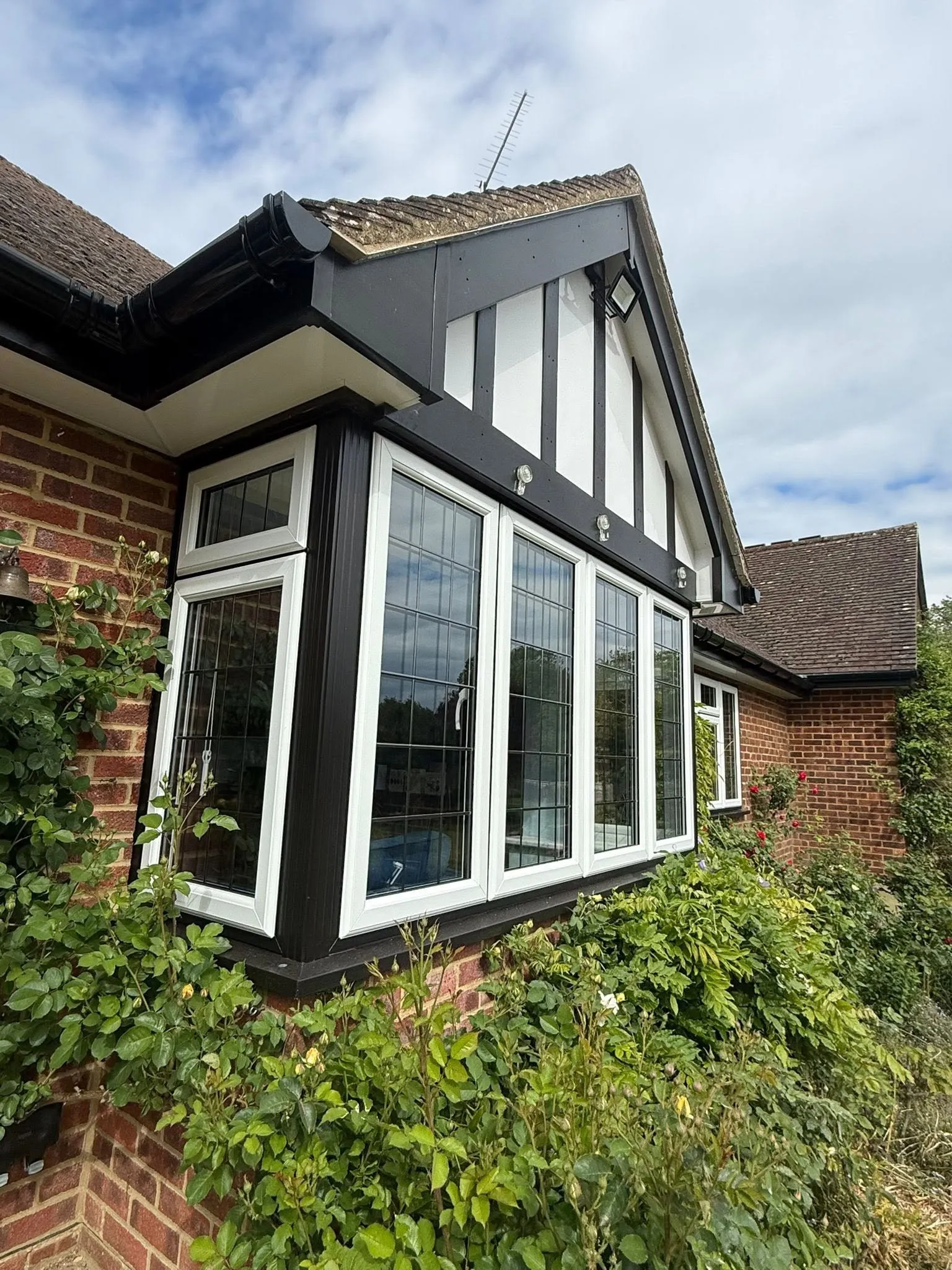
A standard modern casement overlaps the frame and projects forward instead — barely noticeable on a 1970s house, the first thing that looks wrong on a cottage.
Flush casements bring that profile back, with a sealed unit, compression seals and multi-point locking behind it.

Compare
Flush casement or standard casement?
Both are excellent windows. The choice is mostly about the property and where the window is going.
| Feature | Flush casement | Standard casement |
|---|---|---|
| How the sash closes | Level with the frame, one flat face | Slightly proud of the frame, with a visible step |
| Best suited to | Period homes, cottages, conservation areas, front elevations | Most modern homes, rear elevations, budget-conscious projects |
| Thermal and acoustic performance | Comparable — both compress onto seals | Comparable — both compress onto seals |
| Georgian bars and leaded glass | ||
| Multi-point locking | ||
| Relative cost | Higher | Lower |
Not sure which way to go? We’ll show you both at survey with your elevation in front of us.
Benefits
Why people choose flush casements
Period-correct lines
The flat face and shadow line of a traditional joinery-made window.
Conservation friendly
Often the style accepted where a standard casement would be refused.
Modern performance
Sealed units, compression seals and thermally efficient frames throughout.
Heritage colours
Cream, Chartwell green, greys and woodgrains that suit older properties.
Secure
The same multi-point locking as the rest of our range.
Low upkeep
In uPVC or aluminium, the look of timber without the repainting.
Materials
Available in each material
Flush casements work in all three — timber for authenticity, uPVC for value, aluminium for slimmer frames.
uPVC Windows
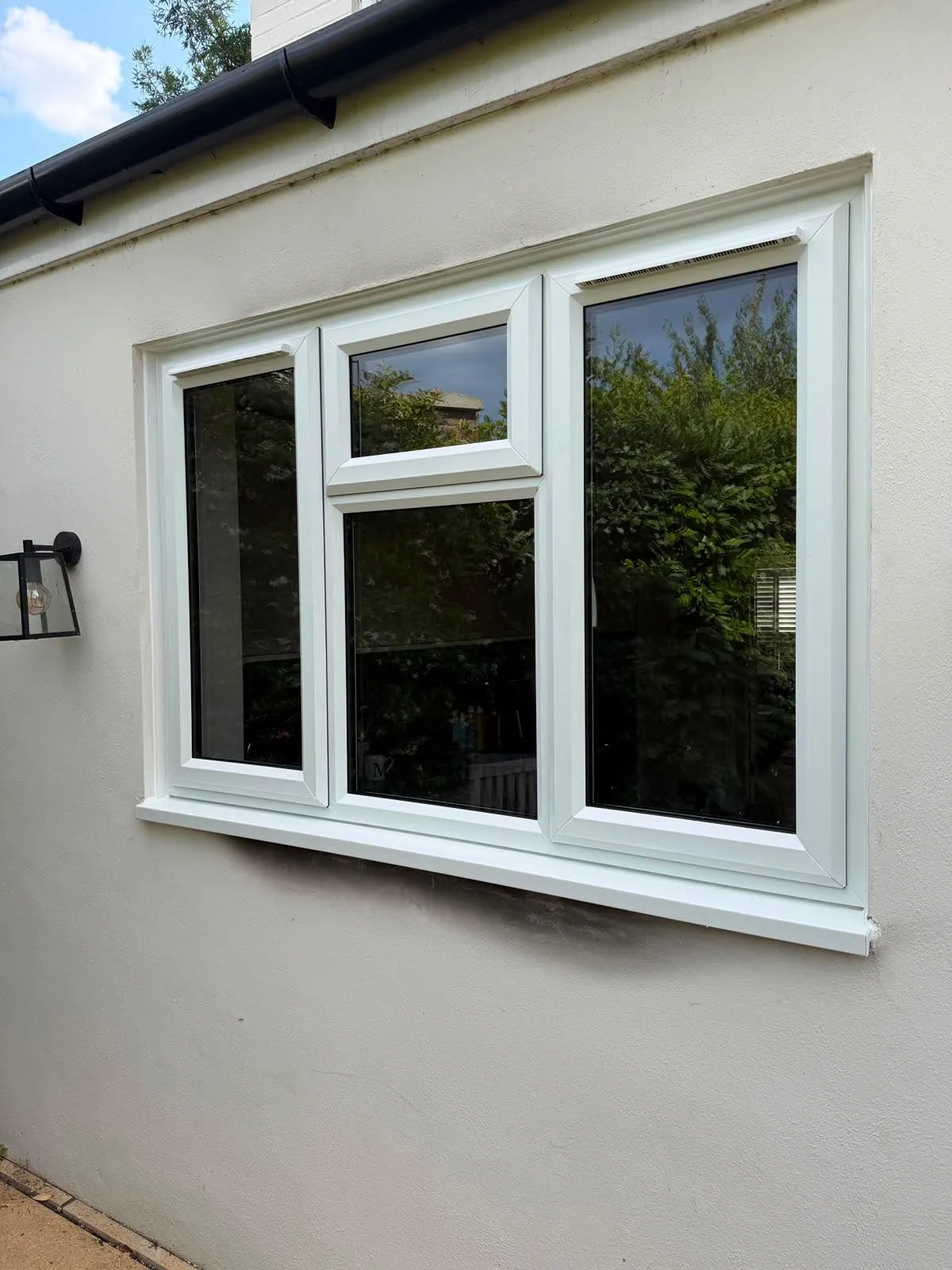
The most popular choice: warm, secure and virtually maintenance free, in a wide range of colours and woodgrain finishes.
Explore uPVC windows
Wooden Windows
Real timber for period and conservation properties, engineered and factory-finished so it stands up to the weather.
Explore wooden windows
Aluminium Windows
Slim, strong frames that carry more glass and less frame — ideal for extensions, large openings and contemporary homes.
Explore aluminium windowsBuying online? Our shop is on its way
Flush casements are made to measure for each opening. Send us your sizes and we’ll put a price together.
Questions
Flush casement questions
Can’t see what you need? Call 01342 410079 and we’ll answer it properly.
What makes a casement “flush”?
Are flush casements worth the extra cost?
Can I have Georgian bars or leaded glass?
Do flush casements perform as well as standard ones?
Will a flush casement suit a conservation area?
Where we work
Flush casement windows in East Grinstead and across Sussex, Surrey and Kent
We’re based on Station Road in East Grinstead, where West Sussex meets Surrey and Kent, and our own team works throughout all three counties.
Towns we cover include
- East Grinstead
- Crawley
- Horley
- Haywards Heath
- Burgess Hill
- Horsham
- Crowborough
- Tunbridge Wells
- Tonbridge
- Sevenoaks
- Redhill
- Reigate
- Caterham
…and the villages in between. If you’re in Sussex, Surrey and Kent, the answer is almost certainly yes.
Free quotations
Get a price for flush casement windows
Book a free survey and we’ll bring samples so you can see the flush profile against your existing windows.