
Composite doors: the sensible front door
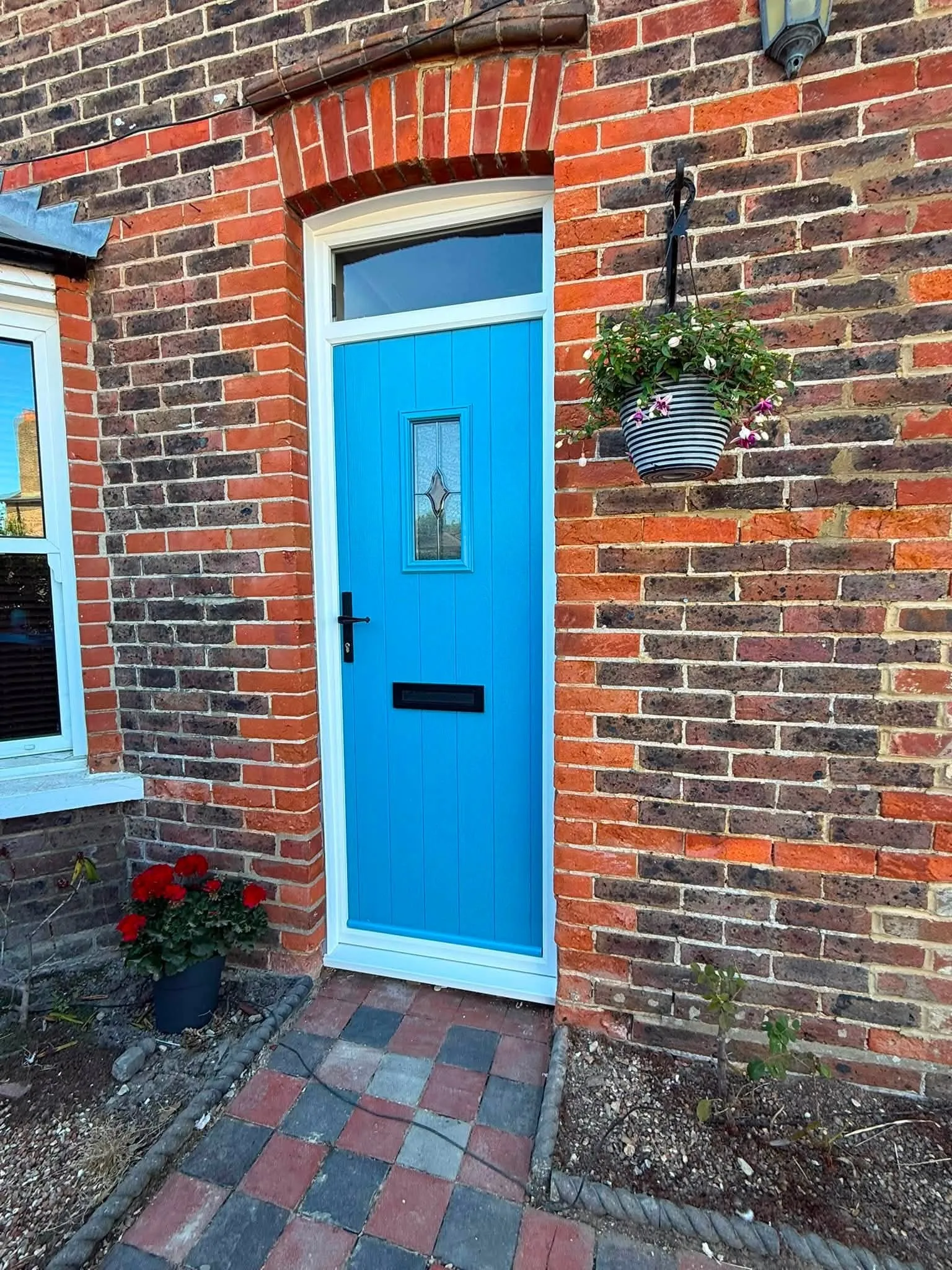
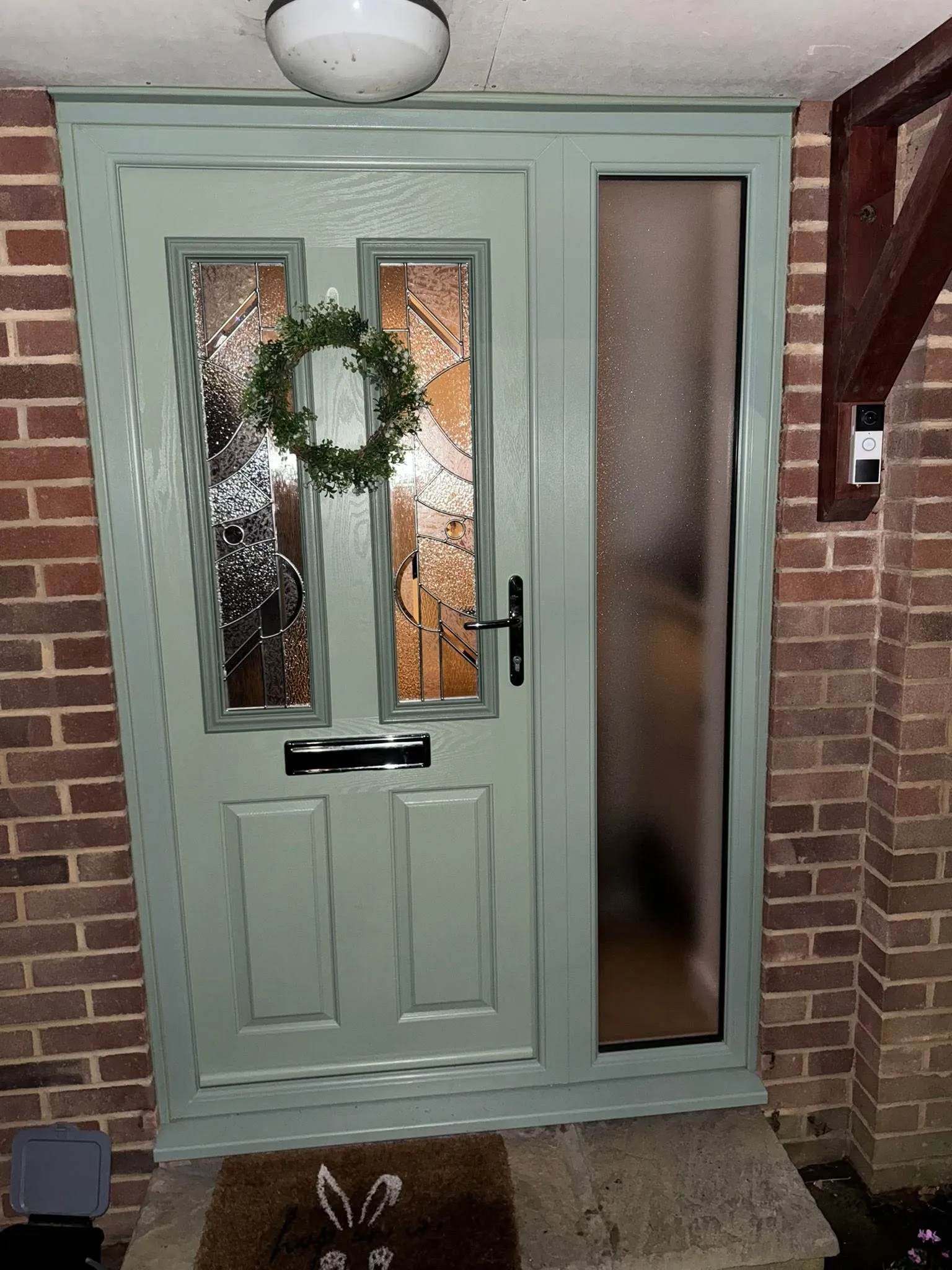
A solid insulated core in a tough moulded skin — the warmest, strongest and most popular front door we fit.
- Solid core that won’t warp, swell or stick
- Multi-point locking and anti-snap cylinder as standard
- A wide choice of colours, glazing and hardware
East Grinstead showroom · covering Sussex, Surrey and Kent
10/10 on Checkatrade
From 149 verified customer reviews
Certass registered
Fully insured and SafeContractor approved
10 year guarantee
On every product we supply and install
Family run since 2007
Our own fitters — never subcontracted out
Why composite
It’s the thickness that does it
A composite door is noticeably heavier than the one it replaces. That heft is the whole point.
The core is solid and insulating, the skin is moulded over it in one piece, and the edges are reinforced. Nothing flexes, so the multi-point locking pulls the door tight into its seals every time it shuts.
You feel it straight away. The hall stops being the cold part of the house, the door closes with a thud rather than a rattle, and the draught under it disappears.
- Insulated core, not a hollow panel
- Woodgrain texture moulded into the skin
- Colour through the skin rather than painted on
- Available in stable door and French door configurations
Benefits
What you get with composite
Hard to get through
A rigid core, reinforced edges and multi-point locking working together rather than separately.
Warm hallway
The insulated core does more for a cold hall than anything else you can change.
Colour choice
Heritage and contemporary colours, with a different shade inside and out if you want.
Quieter
Mass and compression seals cut road noise noticeably on a busy frontage.
No repainting
A wipe down and a drop of oil on the hinges once or twice a year is the whole job.
Light where you need it
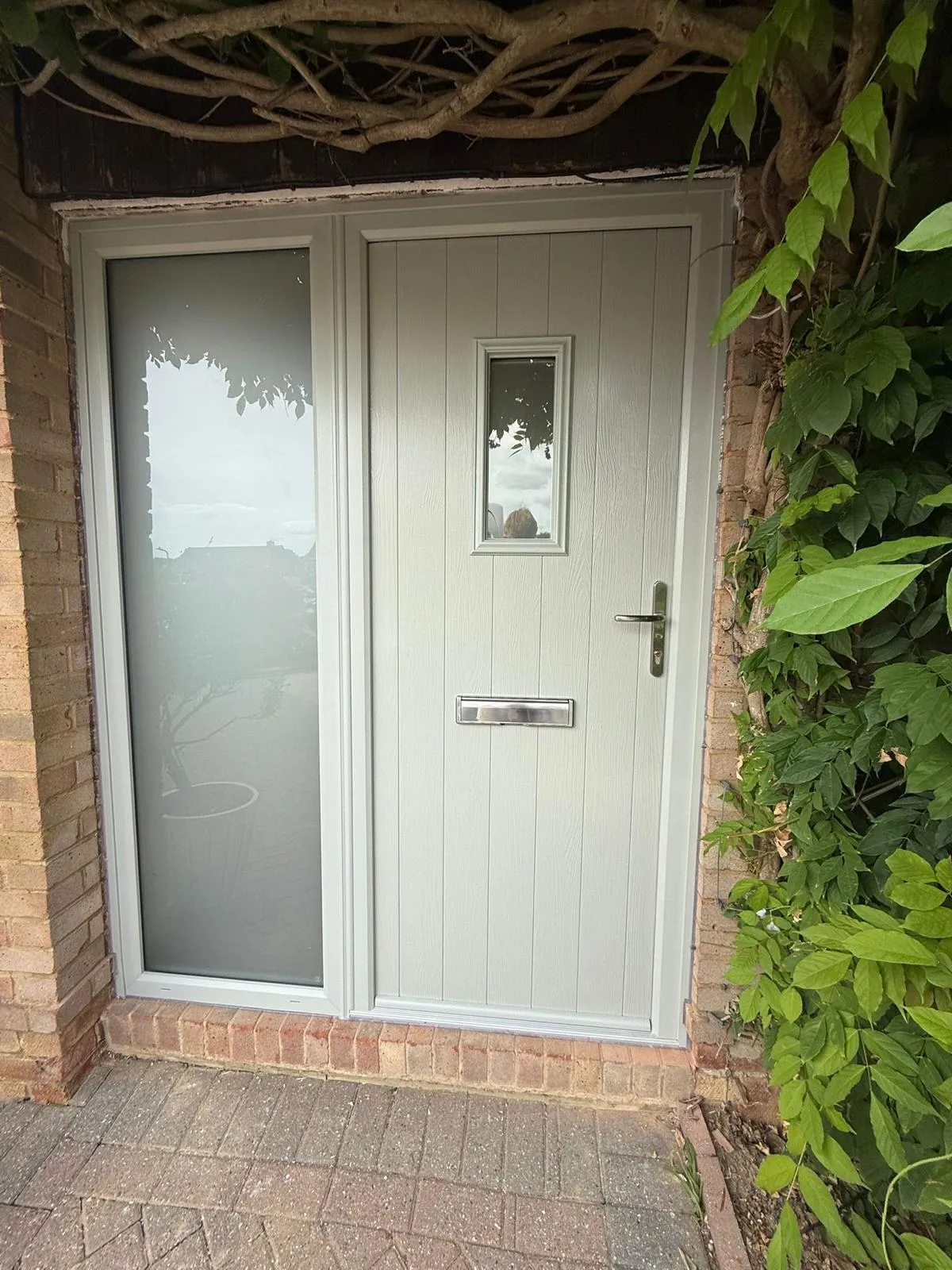
Glazed panels, side screens and top lights to brighten a dark hall.
Security
The lock is only half the story
A good cylinder in a door that flexes is no use at all. The parts have to work as one.
Multi-point locking engages hooks and bolts into the frame up the full height of the door. Anti-snap cylinders are designed to break at a sacrificial line so the lock stays shut. Hinge bolts hold the hanging side even if the hinges are attacked.
None of it counts unless the frame is packed and fixed properly to the structure, which is the part that gets rushed. That’s the bit our fitters spend the time on.
- Multi-point locking as standard
- Anti-snap cylinder as standard
- Hinge bolts on the hanging side
- Laminated glass available in glazed panels
Styles
Available in the styles we fit most
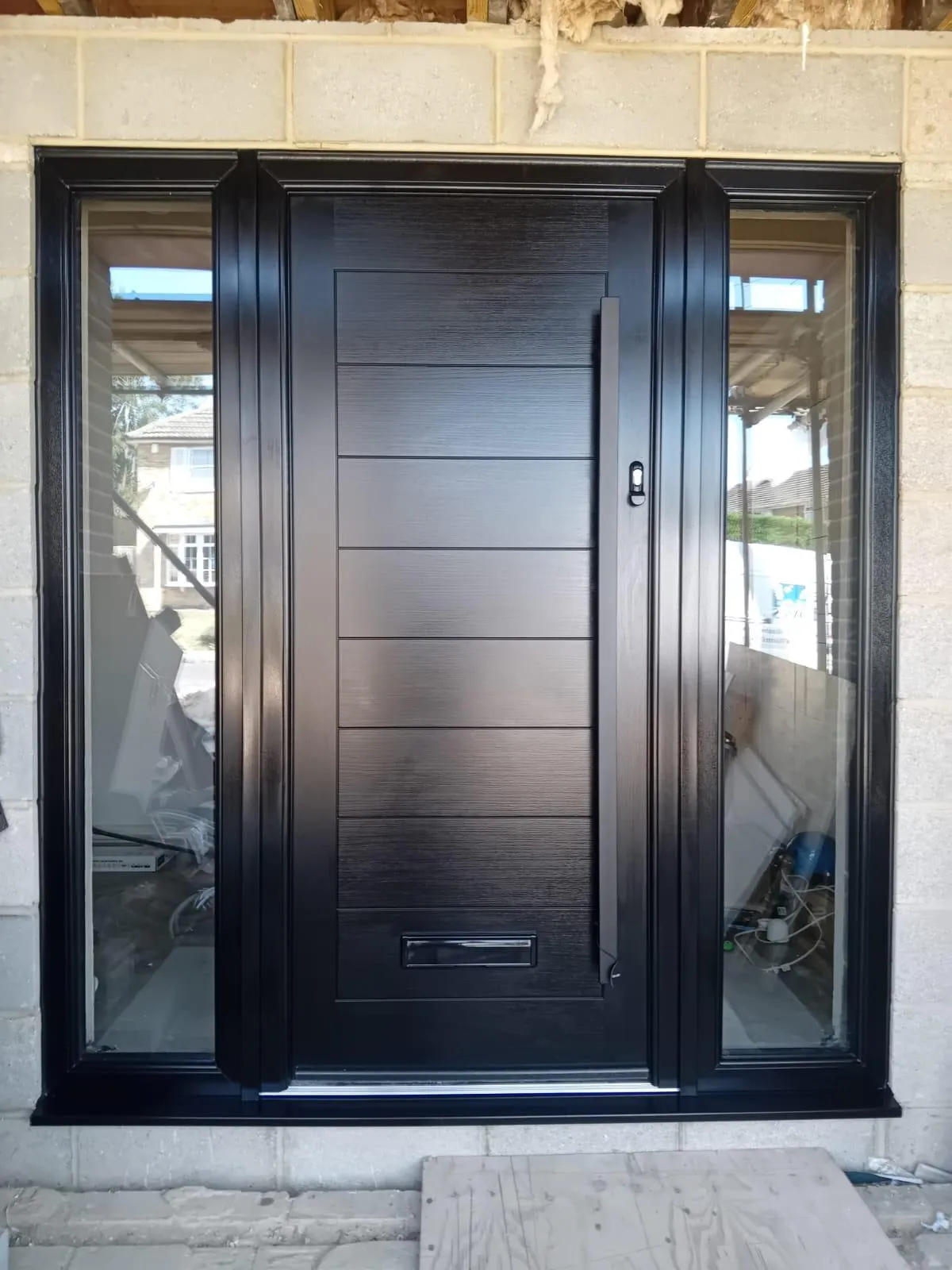
Composite works for far more than a front door. These are the configurations it comes in.
Front Doors
The one everybody sees. Composite for security and warmth, timber where the property calls for it, in any colour you like.
About front doors
Back Doors
A working door that takes daily abuse. Solid, secure and glazed to suit — half panel, full panel or obscure.
About back doors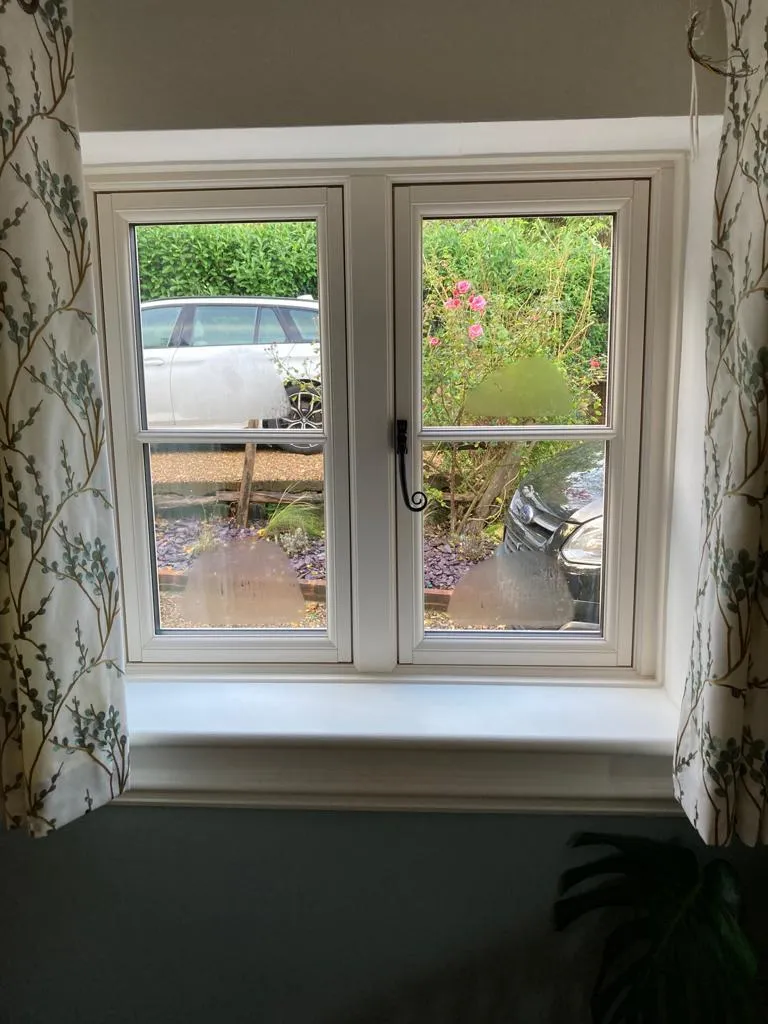
French Doors
A pair of outward or inward opening doors that throw the whole opening wide. The classic way onto a garden or patio.
About French doors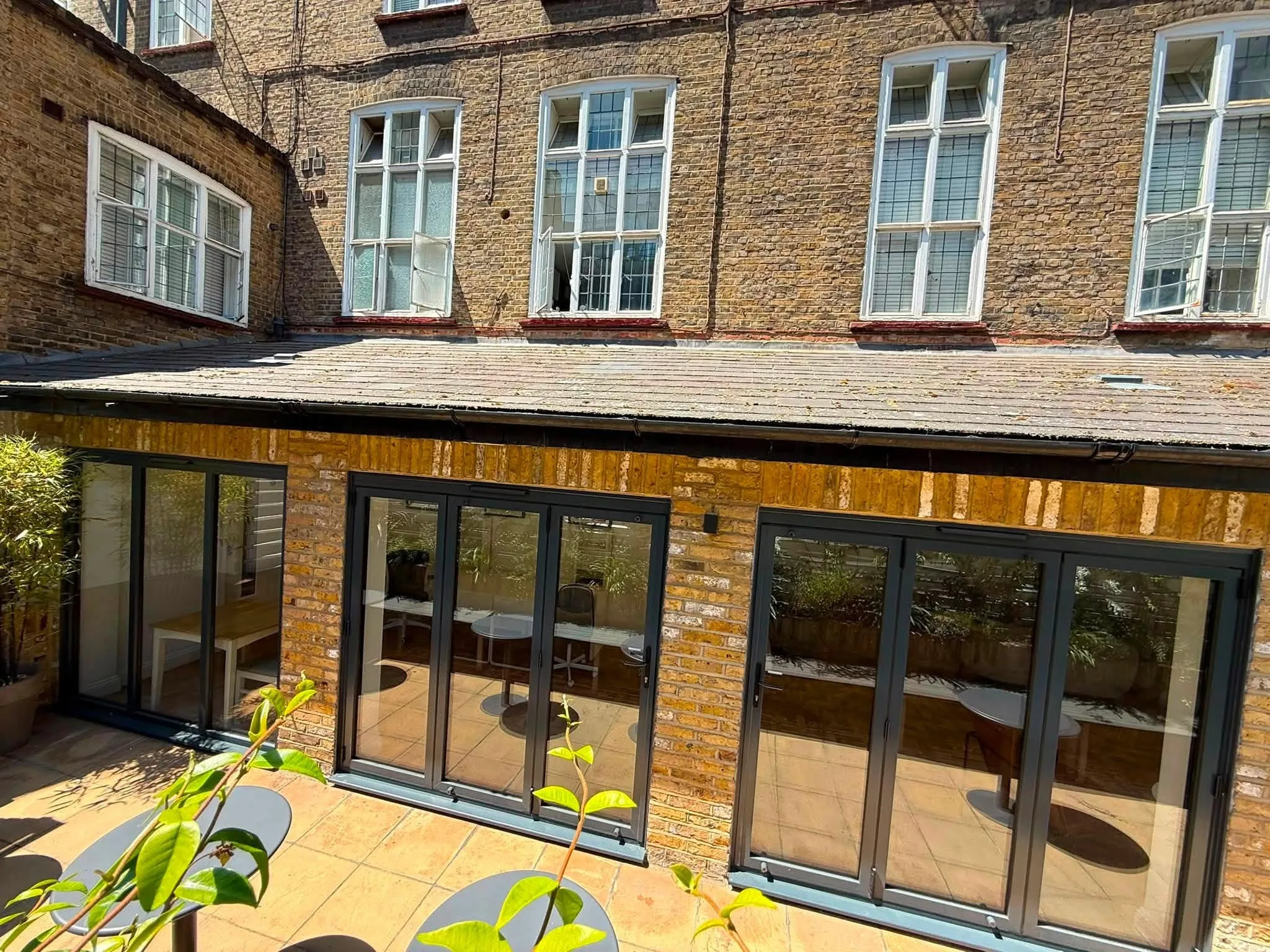
Bifold Doors
Panels that concertina back against the wall, opening almost the entire span. Best for wide openings onto a patio.
About bifold doorsSpecification
What’s in the door, and why
Multi-point locking
Hooks and bolts engage into the frame at several points up the height of the door, not just at the handle.
Anti-snap cylinder
Designed to break at a sacrificial line so the lock stays engaged rather than opening.
Hinge bolts
Steel dogs on the hinge side that hold the door in the frame even if the hinges are attacked.
Laminated glazing
Available in glazed panels, so the glass holds together rather than giving way when broken.
A reinforced frame
The strongest door is only as good as what it locks into, so the frame and its fixings matter as much.
Fitted properly
Packed, plumb and fixed to the structure. A door hung badly will never lock the way it should.
Buying online? Our shop is on its way
Composite doors are made to your opening size and handed to suit, so they can’t be bought off the shelf. Send us your measurements and we’ll price it up.
Questions
Composite door questions
Can’t see what you need? Call 01342 410079 and we’ll answer it properly.
What is a composite door actually made of?
Is a composite door better than uPVC?
Will the colour fade?
Can I have glass in it?
Do composite doors swell or stick?
Where we work
Composite doors in East Grinstead and across Sussex, Surrey and Kent
We’re based on Station Road in East Grinstead, where West Sussex meets Surrey and Kent, and our own team works throughout all three counties.
Towns we cover include
- East Grinstead
- Crawley
- Horley
- Haywards Heath
- Burgess Hill
- Horsham
- Crowborough
- Tunbridge Wells
- Tonbridge
- Sevenoaks
- Redhill
- Reigate
- Caterham
…and the villages in between. If you’re in Sussex, Surrey and Kent, the answer is almost certainly yes.
Free quotations
Get a price for a composite door
Free survey at your home, or come and see the range at our East Grinstead showroom.