Replacement windows
Tall sliding sashes for the classical villas and terraces. White-painted timber casements, often leaded, for the English Revival houses of around 1900. Aluminium or uPVC for the inter-war and post-war suburbs.

Sash, timber and aluminium windows, doors and conservatories for a town where much of the centre is a conservation area.
East Grinstead showroom · covering Sussex, Surrey and Kent

10/10 on Checkatrade
From 149 verified customer reviews
Certass registered
Fully insured and SafeContractor approved
10 year guarantee
On every product we supply and install
Family run since 2007
Our own fitters — never subcontracted out
Holtye Windows in Tunbridge Wells
Tunbridge Wells began with a spring discovered in 1606. The Pantiles followed in the seventeenth century and Decimus Burton’s Calverley Park in the 1820s, and after the railway came in 1845 the population rose from 10,000 to more than 33,000 by 1901. A large part of the town is now a single conservation area.
We are twelve miles to the west in East Grinstead. In a town like this the first conversation is about what the house was built with, and the second about what the council will accept.
What we fit
Supplied, fitted and guaranteed for 10 years by our own team. Nothing is subcontracted.
Tall sliding sashes for the classical villas and terraces. White-painted timber casements, often leaded, for the English Revival houses of around 1900. Aluminium or uPVC for the inter-war and post-war suburbs.
Moulded, panelled front doors belong to the town’s classical fronts, and leaded glass to the later ones. We supply both in timber or composite, and bifolds for the garden side.
The High Weald National Landscape comes hard up against the town and in places washes over its south-eastern streets. A house inside it has the tighter permitted development limits even outside a conservation area, so establish that before a conservatory or an extension is designed.
Tile-hanging, weatherboarding and sandstone are the Wealden details here. Roofline and cladding should be chosen to sit with them.
Homes in Tunbridge Wells
The council’s own appraisal says that if one form had to stand for Tunbridge Wells, it would be Decimus Burton’s park developments.
The early town is vernacular: red brick, white-painted weatherboarding, tile-hanging and some sandstone, with small timber casements. Then came the classical town of sandstone and stucco, with tall, carefully proportioned sash windows and panelled doors. Calverley Park, begun in 1827, survives intact.
The mid-Victorian decades added the parks, Camden Park, Nevill Park and Hungershall Park, and the villas of St James’s. Around 1900 the fashion turned to an English Revival style in red brick and tile-hanging, with sash and casement windows that were always white-painted timber, often with leaded or stained glass.
Madeira Park and Warwick Park, built largely between 1898 and the 1930s, have mullioned and transomed timber windows with square leaded lights. In houses like these the pattern of the window is the character of the house, and a replacement has to reproduce it.
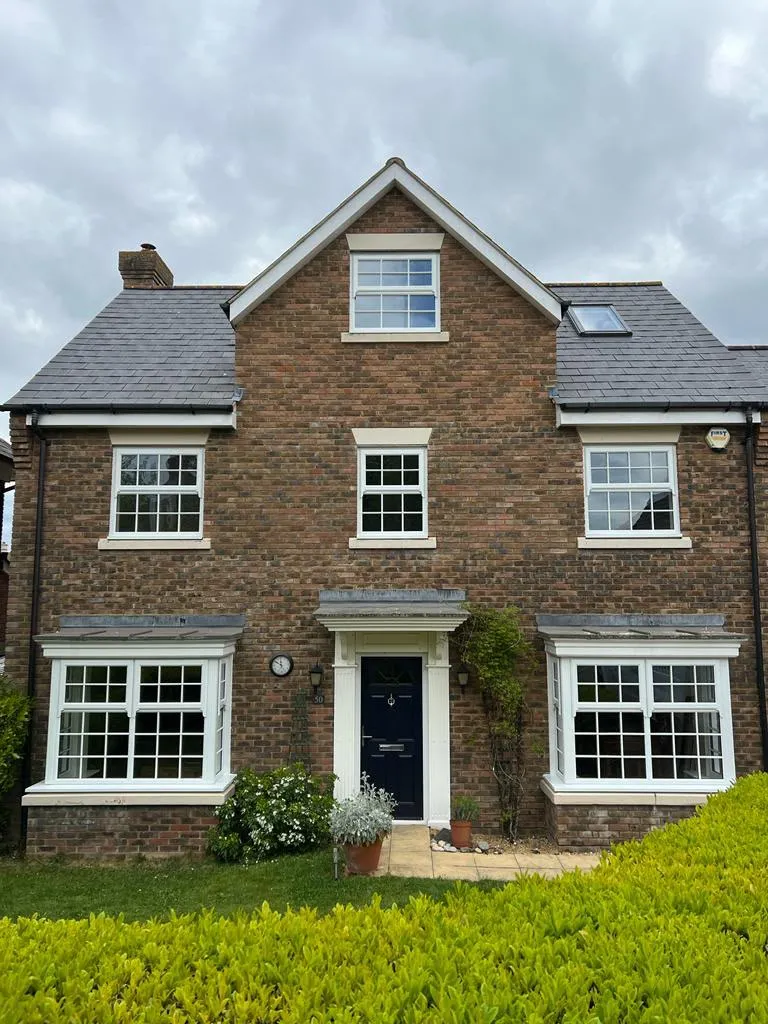
Our work
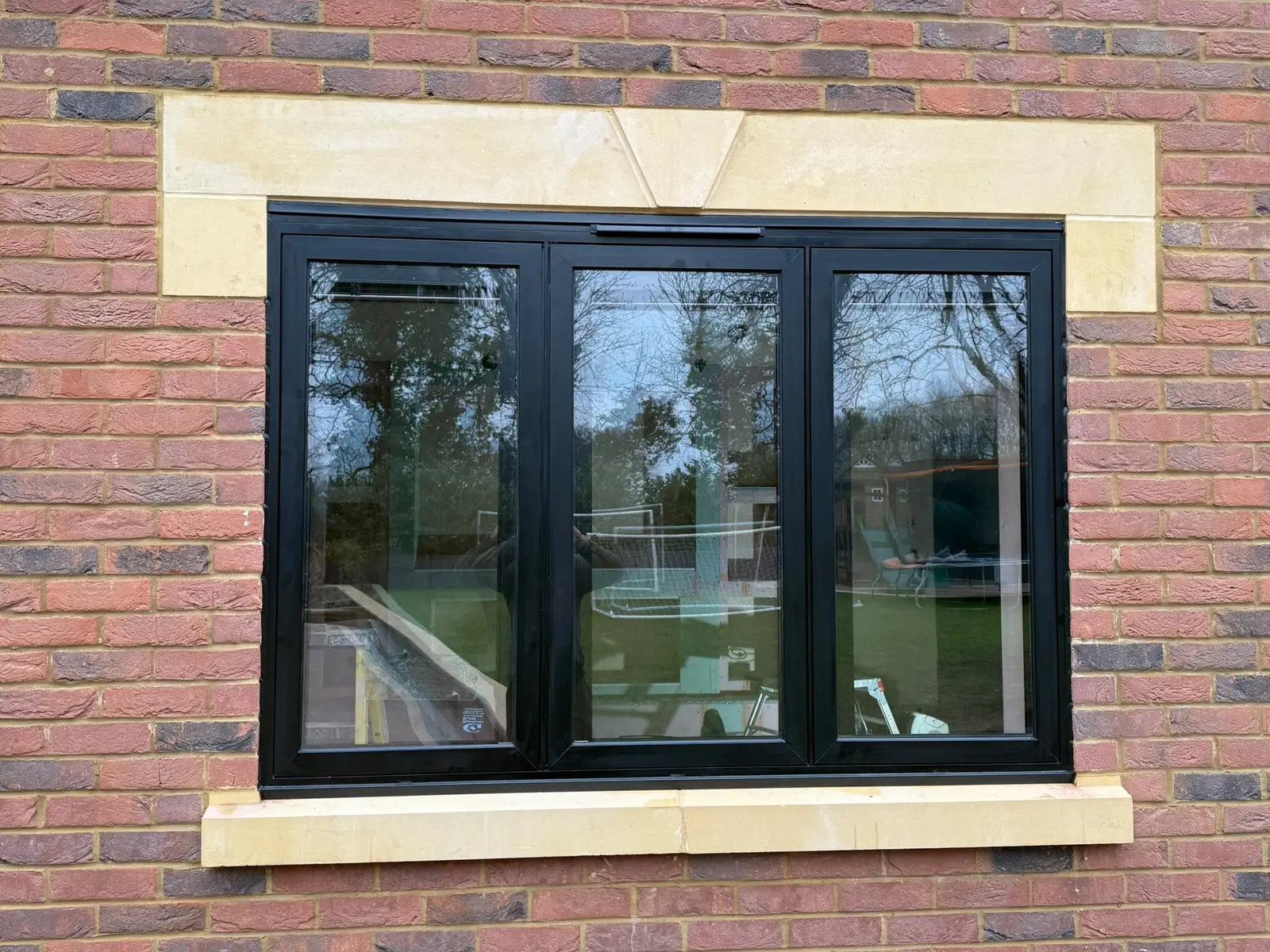
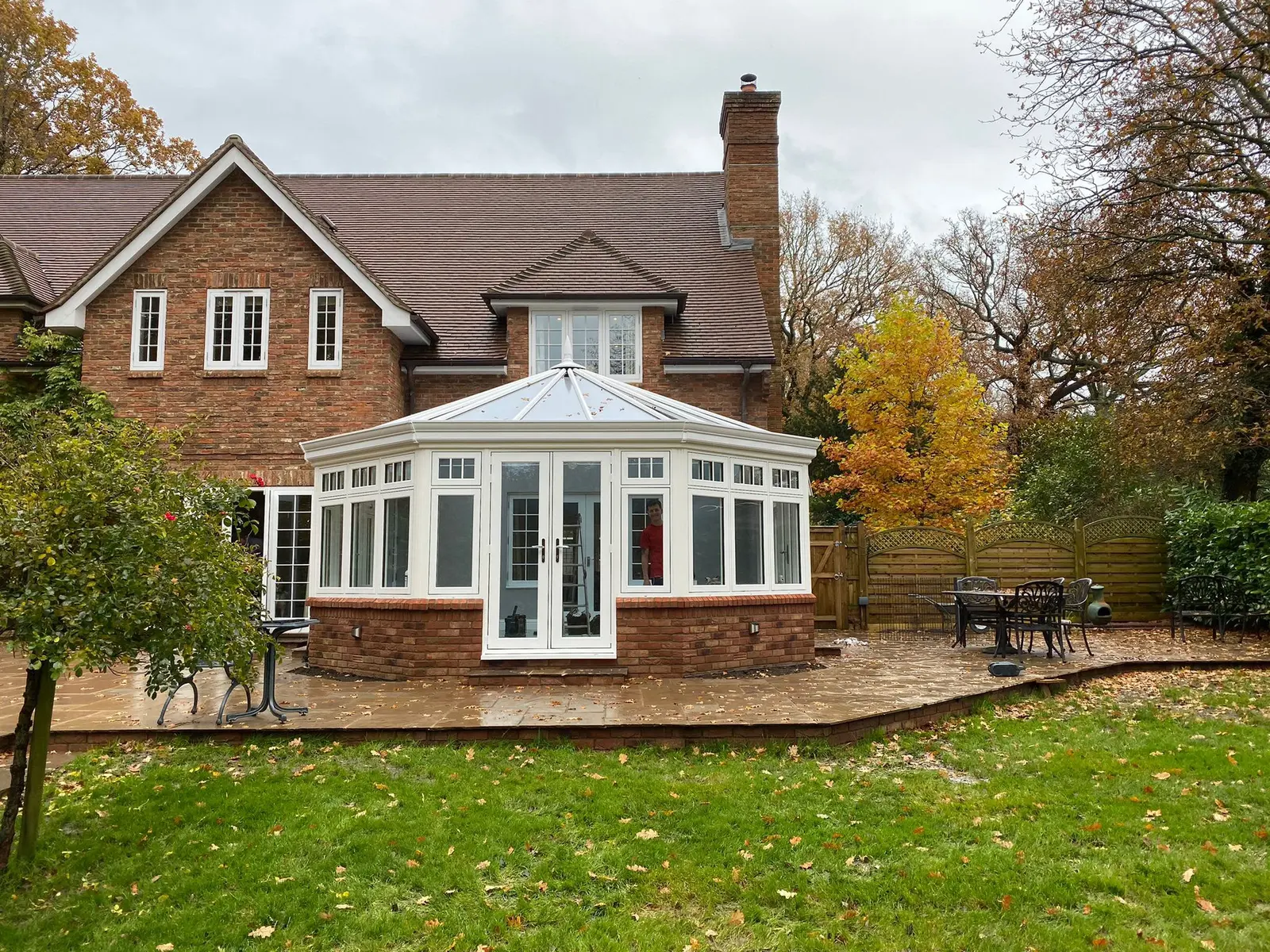
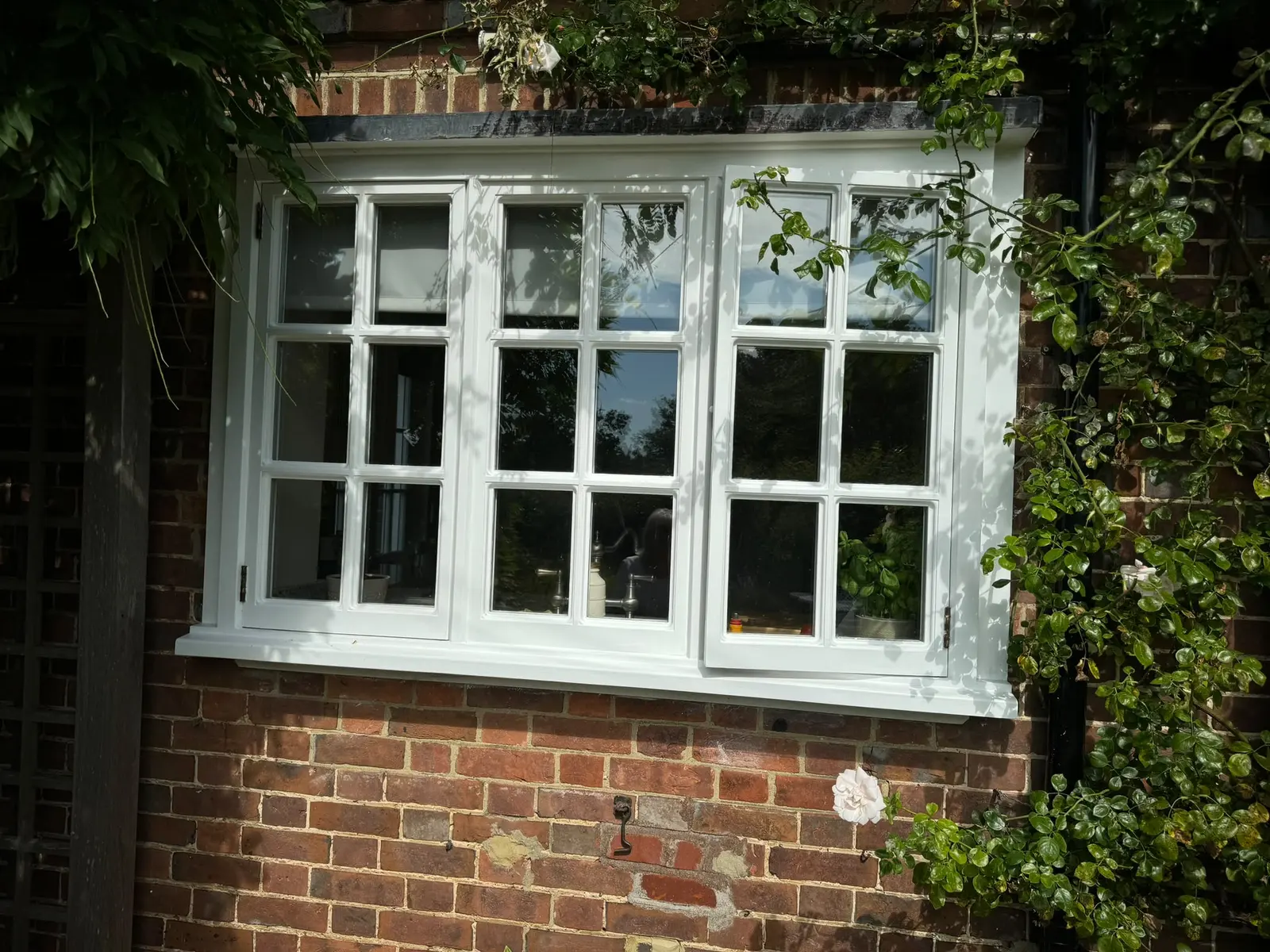
All our own installations, photographed on site across Sussex, Surrey and Kent. Select a photo to see it full size.





Local planning
Tunbridge Wells Borough Council is the planning authority. The Royal Tunbridge Wells conservation area, first designated in 1969 and enlarged since, covers a large part of the town in a dozen character areas, from The Pantiles and Mount Sion to Calverley Park, Camden Park, St James’s, Nevill Park, Broadwater Down and Molyneux Park. Madeira Park and Warwick Park, and Rusthall, are conservation areas of their own.
The Article 4 directions the council describes on its website do not restrict windows or doors. The St James direction, for instance, covers hard surfacing, gates, fences and walls. But directions made before 2021 are available only on request, so ask the council about your address before assuming a house in the conservation area is free to change its windows.
The council’s Alterations and Extensions guidance says new windows and doorways should match those of the original house in type, proportions, sub-divisions and materials. It is also explicit that flats and maisonettes have no permitted development rights, so most external work on them needs planning permission. The borough has around 3,000 listed buildings, all of which need listed building consent.
The High Weald National Landscape surrounds the town and covers some of its south-eastern streets. Where it does not reach the urban edge, to the west and north, the land is Green Belt.
Projects
The nearest jobs we have written up in full, with photos and the detail of what was done.
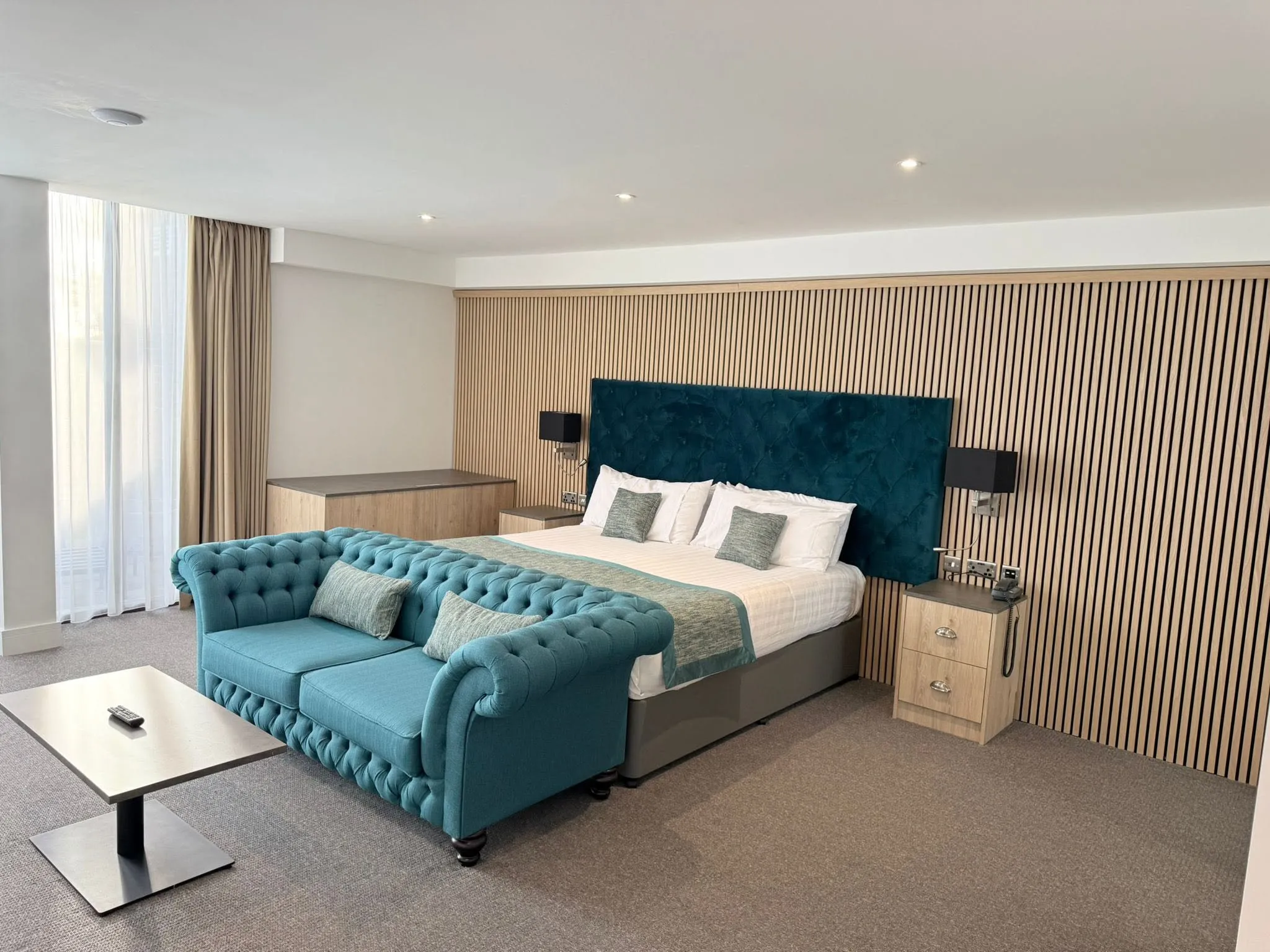
A conference room at Dale Hill Golf and Country Club, converted into three hotel suites and two offices.
View project8 miles from Tunbridge Wells

Tired timber windows and double doors on a garden summer house, replaced with white PVCu frames and Georgian bars.
View project12 miles from Tunbridge Wells
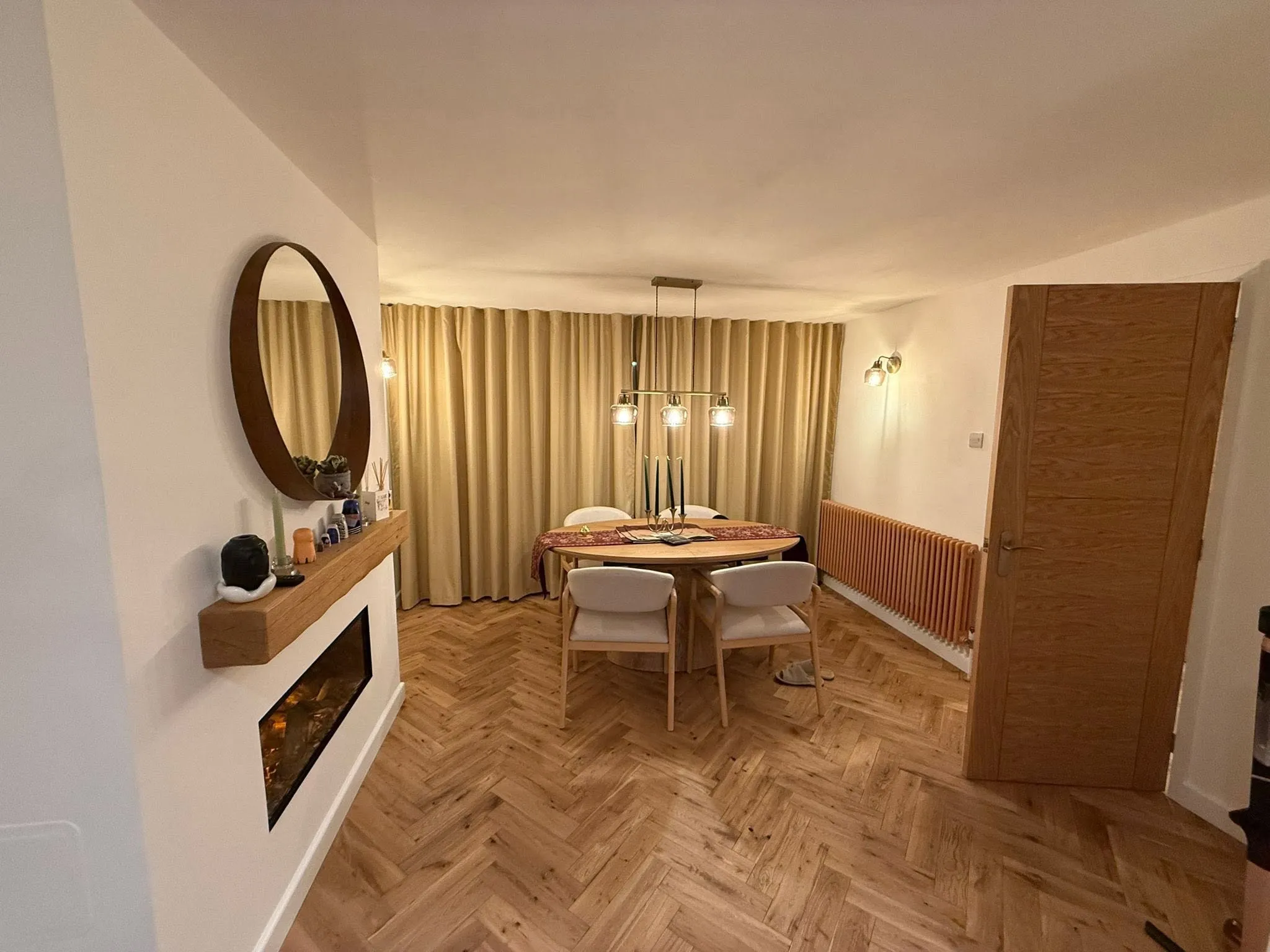
Windows, doors, a Supalite warm roof extension, kitchen, cloakroom, flooring and decorating — all handled by one team from start to finish.
View project12 miles from Tunbridge Wells
Customer reviews
Rated 10/10 from 149 reviews on Checkatrade, where we’ve been a vetted member since 2014.
Where we work
We cover the whole of Tunbridge Wells, and we don’t stop at the edge of town.
Nearby areas: Tonbridge, Crowborough, Sevenoaks, Edenbridge, East Grinstead. See everywhere we cover.
Questions
Can’t see what you need? Call 01342 410079 and we’ll answer it properly.
Free quotations
Book a free, no-obligation survey at your home in Tunbridge Wells, or come and see us at the East Grinstead showroom.
Cookies on this site
We don’t run ads. Google Analytics counts visits to the site, and our Google reviews and maps come from third parties that may set cookies. You can switch all of these off.